In Virginia, about one fifth of the population, or 1.6 million people, rely on water supplied by a private water well. Unlike municipal water supplies, which are regularly tested and treated to remove contaminants, private water supplies are completely the responsibility of the owner. A well can be an excellent source of safe drinking water for you and your family, and an important part of your property's value. But you must take some important steps to ensure the water is safe for drinking, cooking, and other uses in your household.
Whether you grew up on a home with a well or are considering purchasing a home with a well for the first time, stay tuned for some helpful tips.
Virginia Regulations and Buyer Responsibility
There are state regulations for the location and construction of private water wells in Virginia, but there are no requirements for routine water testing or well maintenance by the homeowner, or at the time of sale of a property with a well. Since Virginia is a buyer beware state, any issues with a well or septic system that aren't detected by the potential buyer prior to the home sale are the burden of the new homeowner to address.
Related reading: real estate well water testing in Charlottesville
Well Construction, Condition, and Inspection
There are several components of a well, some of which are visible and some that are not, but should be present for the well to properly function and protect the quality of your household water. These components have been required on Virginia wells since 1990, so be especially aware of a well's condition if it was constructed prior to 1990.
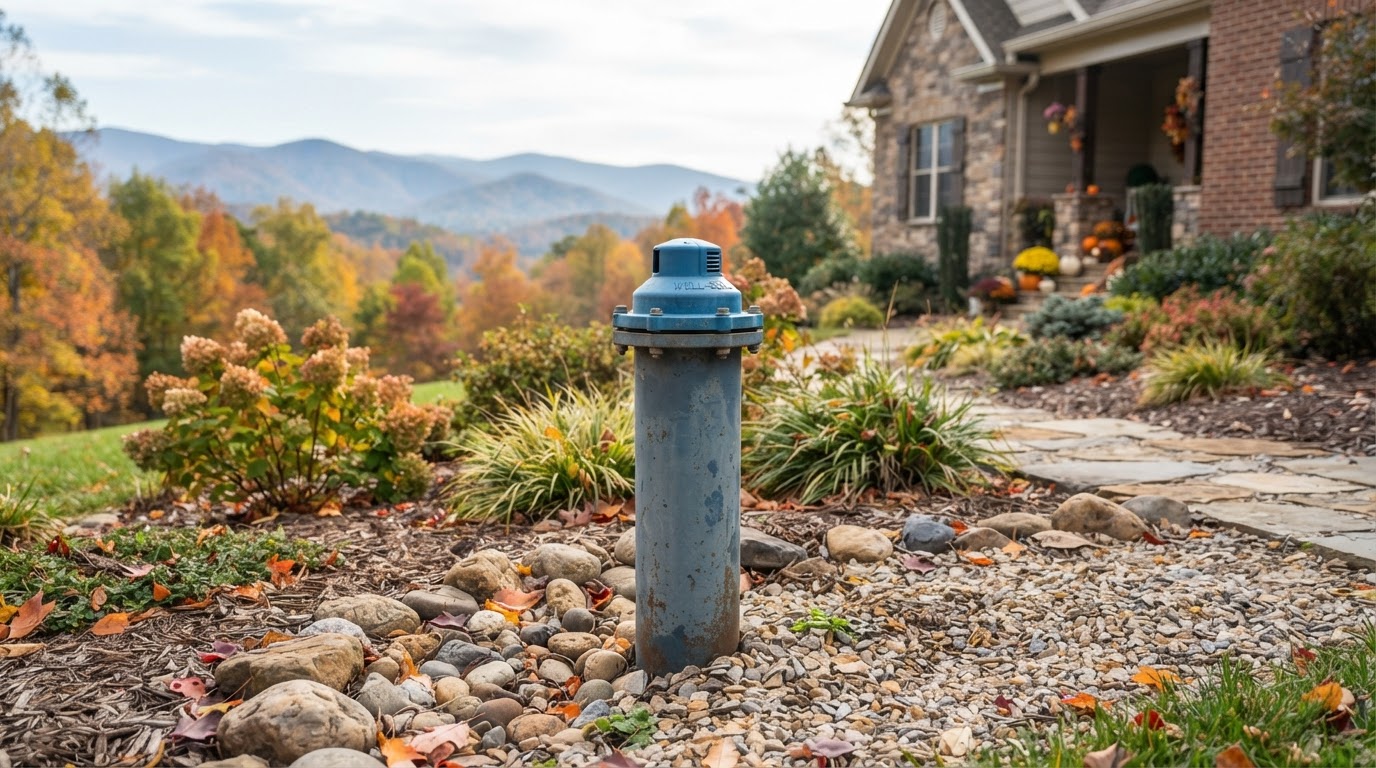
Well casing should extend at least a foot above the ground, have a sealed sanitary cap, and a grout seal around the outside of the casing. Wells should be 50 to 100 feet away from sources of contamination like septic tanks, livestock, and dog pens. The ground around a well casing should slope away from the casing, and the well should not be in an area that receives runoff.
Standard home inspections may include a very cursory inspection of a well, but potential buyers should consider contracting a water well systems provider or well drilling contractor to fully assess the well and evaluate the condition and function of any water treatment equipment in the home.
Related reading: well water inspection in Charlottesville
Water Testing and Corrective Measures
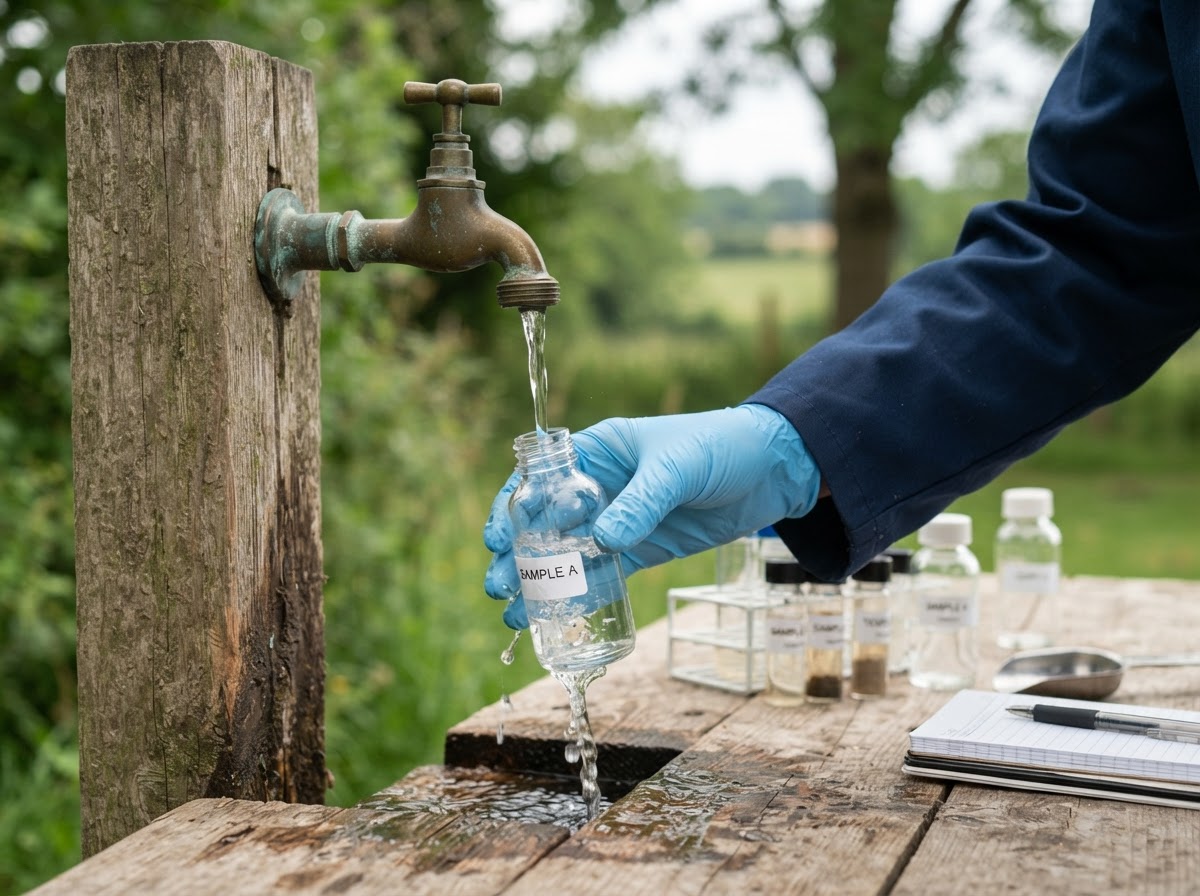
Although not required by the state, water testing for total coliform bacteria and E. coli bacteria, nitrate, and lead are recommended at a minimum.
Many lenders require water test results be submitted for a mortgage or financing for a home on a private well to be approved. Always use a certified laboratory for water testing related to the sale of a home. A list is available at this link.
If water test results do not meet safe drinking water standards, most contaminants can be addressed by one or more corrective measures, including but not limited to disinfection or shock chlorination of the well, well repairs or maintenance, or installation of new treatment devices or repair of existing treatment devices.
Related reading: bacteria and E. coli testing in Charlottesville
Well Records and Maintenance History
If possible, potential buyers should request a copy of the well record or well completion report for a property. If not available through the current owner of the home, records or public information, and for wells constructed after 1990, may be requested through the local health department or well drilling contractor who drilled the well.
Well records include important information about the construction, age, depth, water level, and yield of the well, and the geology in which the well is constructed. Potential buyers should also consider requesting well maintenance records and water test results from the current owner of the home.
Septic System Inspection and Maintenance
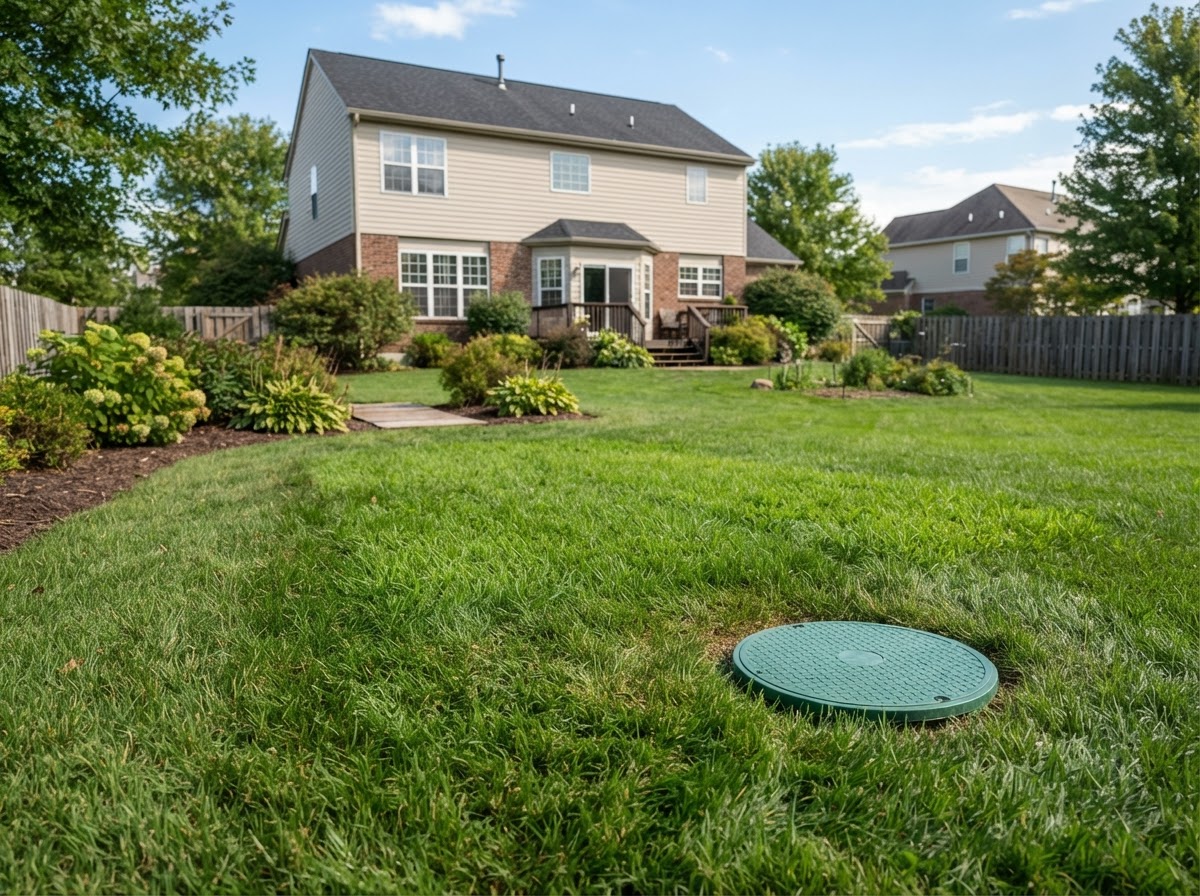
Most homes on a private water supply will also use a septic system or alternative on-site system. This is the wastewater treatment system for the home and is also a very important part of the property's value and function.
Consider having a septic or alternative septic system inspected prior to home inspection, and request documentation of past pump outs from the current owner.
Signs of septic system trouble include foul odors, soggy soil, and lush green grass over the drain field, standing water, slow-draining fixtures, or plumbing backups. Septic systems should be pumped every three to five years.
Before Buying a Home With a Well
A private well can be an excellent source of water for you and your family. When considering purchasing a home with a well, consider contracting a well drilling contractor to inspect and assess the well and any water treatment devices in the home. We suggest testing the water for bacteria, lead, and nitrate at a minimum.
Request records for both the well and septic or alternative septic system. Remember, a private well is completely the responsibility of the homeowner, and groundwater is a shared resource.
Related reading: well water testing in Charlottesville